Refer a Patient
 Pay Bill
 Patient Portal


What Kind of Doctor Does Cataract Surgery?

Updated: December 17, 2025
Cataracts are one of the most common age-related eye conditions, and they can significantly affect how well we see and live each day. When cataracts begin to cause vision loss and other vision problems that interfere with daily life, cataract surgery performed by a trained ophthalmologist offers a safe and effective way to restore eye health.
What Are Cataracts?
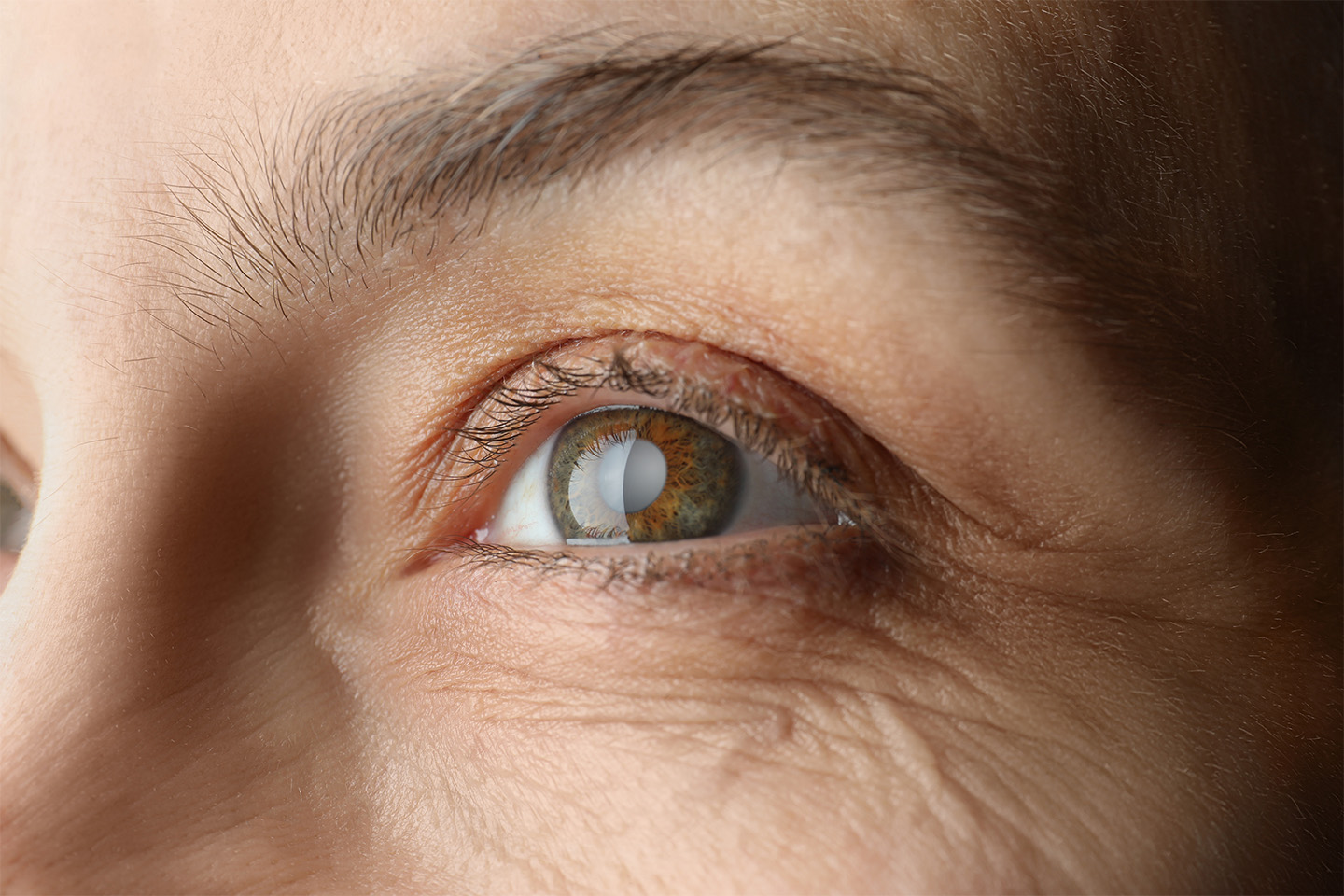
Nearly half of all Americans are affected by cataracts or have had cataract surgery by age 80. Cataracts occur when proteins in the eye’s natural lens break down, causing the lens to cloud. This cloudy lens affects vision, often described as looking through a fogged or frosted window.
What Is Cataract Surgery?
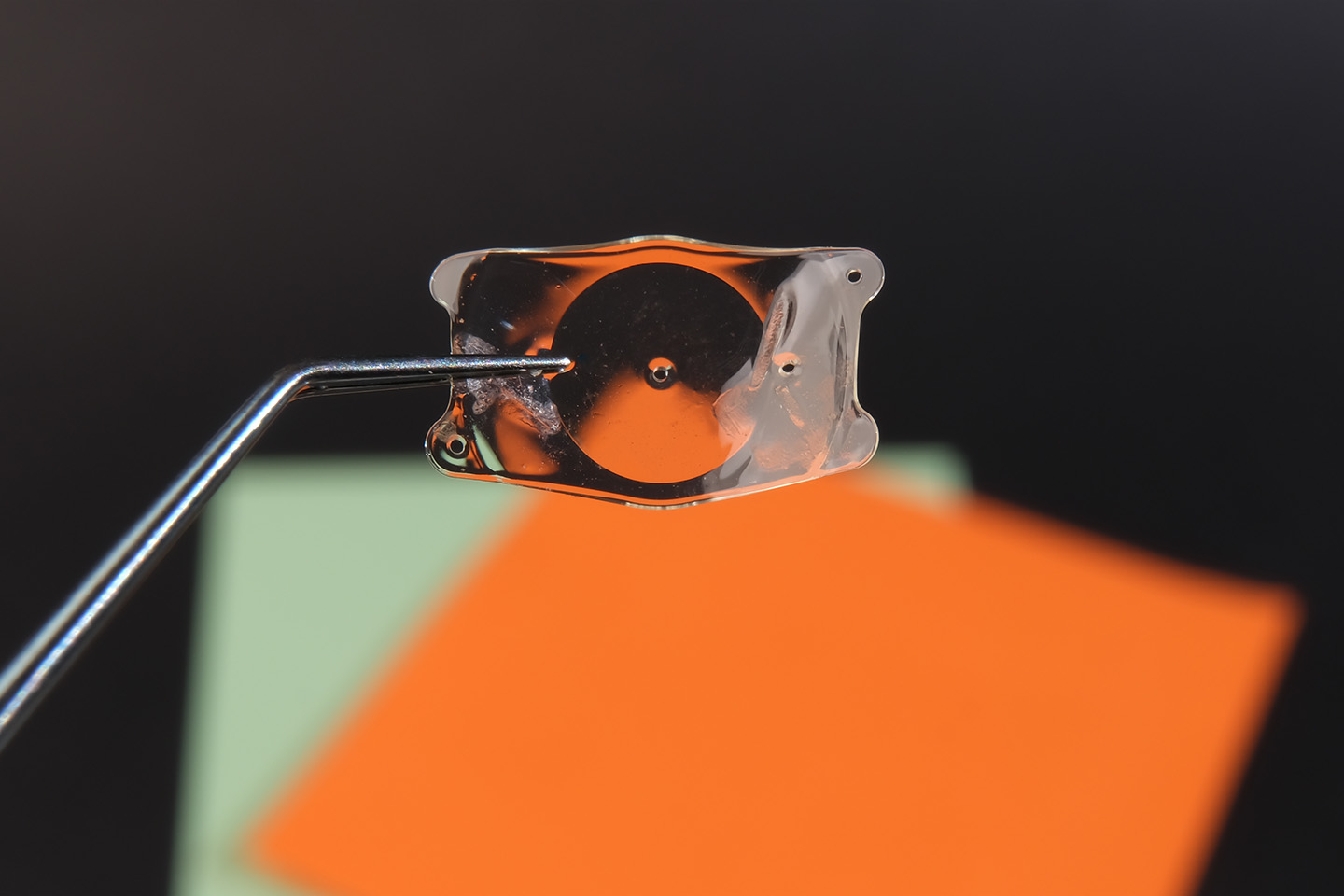
Cataracts are a leading cause of vision loss, but cataract surgery is a safe and effective way to restore vision. More than 3 million cataract surgeries are performed annually. Once cataracts progress beyond early management, an ophthalmologist — often a cataract specialist — can remove the clouded lens and replace it with a clear intraocular lens (IOL) made of acrylic, silicone, or plastic. The outpatient procedure typically lasts around 20 minutes, and most patients experience improved vision within a short recovery period.
Our cataract self-test can be a helpful first step in determining whether it’s time to schedule a cataract evaluation.
What Is an Ophthalmologist?
An ophthalmologist is an osteopathic eye doctor trained to diagnose, manage, and surgically treat eye diseases. This education and training, which includes medical school, residency, and often fellowship training and generally totals 12 to 14 years of preparation, allows them to diagnose and treat a wider range of eye conditions than optometrists and opticians.
Ophthalmologists may also pursue subspecialties in areas such as cataracts, glaucoma, cornea, retina, pediatric ophthalmology, neuro-ophthalmology, or oculoplastic surgery.
When to Call an Ophthalmologist for Cataract Surgery
Routine annual eye exams are key to monitoring eye health and identifying cataracts early. Optometrists and ophthalmologists can diagnose cataracts through comprehensive testing, which can include a slit-lamp exam, retinal evaluation, or visual acuity test.
What for these Signs and Symptoms of Cataracts
Call your ophthalmologist if you begin to experience these common cataract symptoms:
- Glare or light sensitivity
- Halos around bright lights
- More frequent prescription changes
- Double vision in one eye
- Cloudy or blurred vision
- Faded or yellow-tinted colors
- Needing extra lighting for reading
- Reduced night vision
Expert Cataract Care at Kleiman Evangelista Eye Centers of Texas
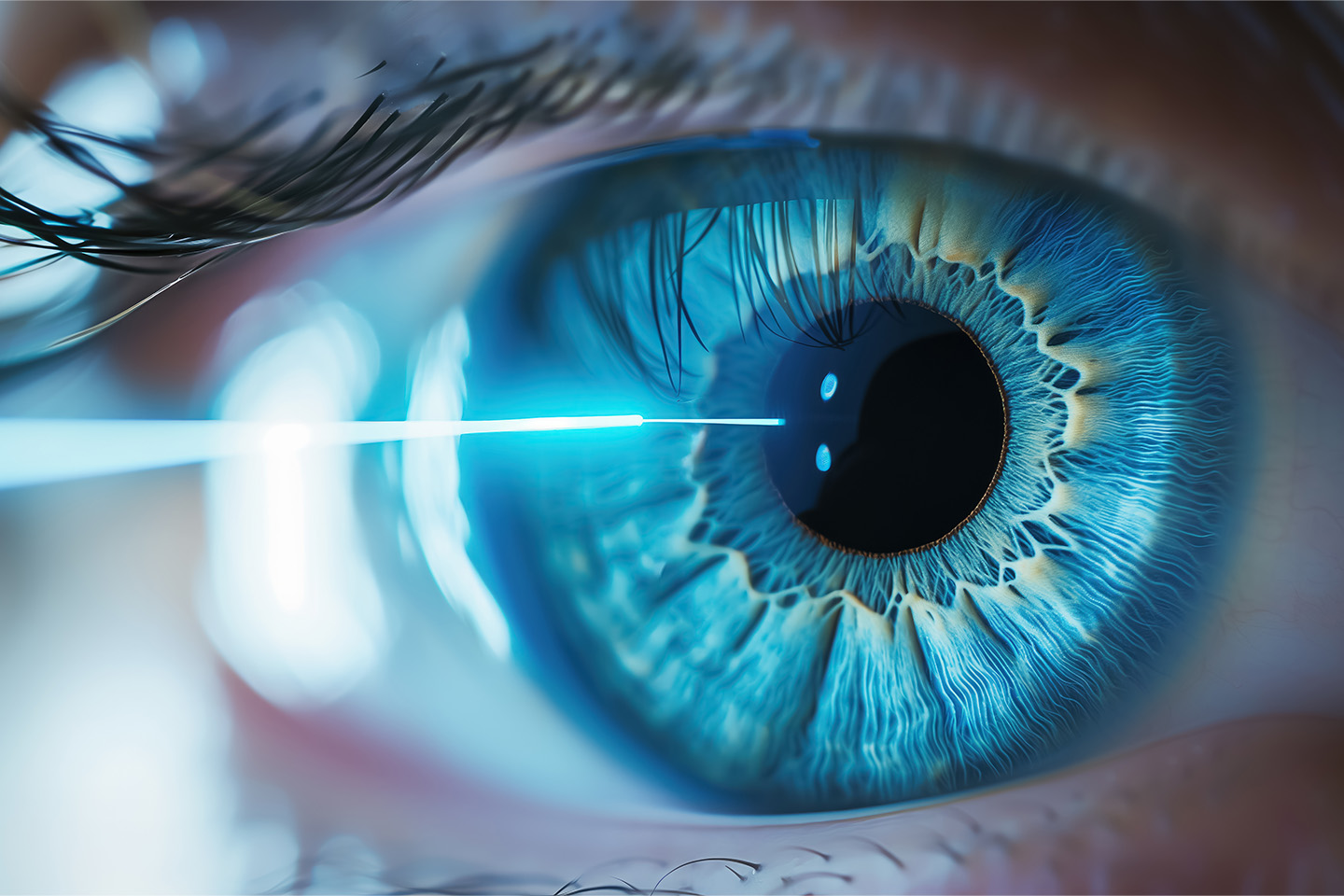
With more than 40 years of experience, Kleiman Evangelista Eye Centers of Texas pairs surgical expertise with advanced technology to deliver exceptional outcomes for patients across the Dallas–Fort Worth Metroplex. Our board-certified cataract surgeons use industry-leading tools — such as modern diagnostic testing, laser-assisted cataract surgery, and advanced technology cataract lens implants — to support patient safety, comfort, and precision and to help individuals achieve their best possible vision.
Start Your Journey to Youthful, Clear Vision
Request your cataract consultation today with our expert team.
Learn more about cataract surgery and why so many cataract patients trust Kleiman Evangelista Eye Centers of Texas.
[DISPLAY_ULTIMATE_SOCIAL_ICONS]